The global halal market is entering a pivotal phase in 2026, with significant growth expected beyond traditional food consumption into areas like travel, lifestyle, personal care, finance and digital commerce, observed online portal Halal Practitioner. As Muslim consumers become more affluent and globally mobile, their preferences are reshaping entire industry sectors and redefining what halal means in a modern context.
This article highlights the key trends expected to drive the halal economy in 2026, underscoring how businesses and investors can understand and leverage emerging opportunities in a market worth trillions of dollars.
1. HALAL ECONOMY EXPANDS BEYOND FOOD
While halal food remains the largest and most established segment, the halal economy is expanding rapidly into non‑food sectors like cosmetics, personal care, pharmaceuticals, digital services and travel. These categories are experiencing increased demand as Muslim consumers seek products and services that align with their faith, values and lifestyle requirements.
2. HALAL FINANCE AND ETHICAL INVESTMENT GROWTH
Shariah‑compliant finance and investment remain key pillars of the expanding halal economy. 2026 is expected to see growth in Islamic banking, takaful (Islamic insurance), fintech solutions and ethical investment products, which are meeting the needs of an increasingly financially savvy Muslim population seeking value‑aligned financial services.
3. DIGITAL TRANSFORMATION ACCELERATES MARKET ACCESS
Digitalisation continues to reshape the halal market, making it easier for consumers to access halal‑certified products and services online. E‑commerce platforms and specialised digital marketplaces provide global reach for halal brands and help consumers discover and purchase compliant options in sectors like food, beauty, fashion and wellness.
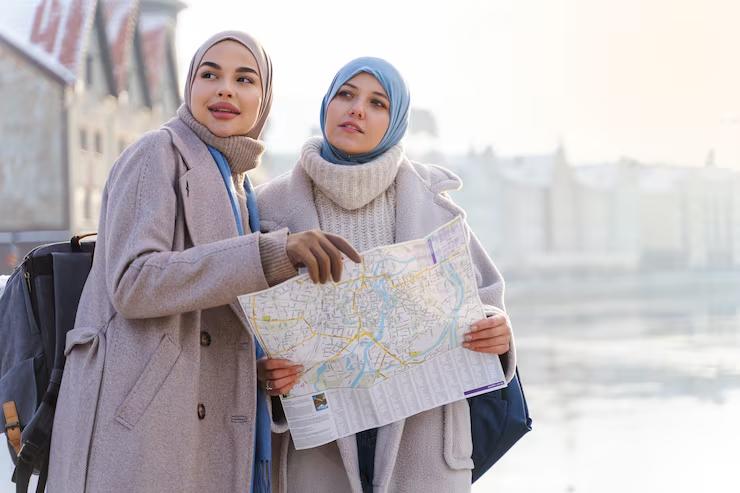
4. HALAL TRAVEL & TOURISM GAINS MOMENTUM
Halal travel is becoming a mainstream focus for destinations and service providers. Travel operators, hotels and tourism boards are incorporating halal services, such as halal meals, prayer facilities, modest leisure options and cultural‑sensitive experiences, to attract Muslim travellers. This aligns with the broader trend of purposeful and meaningful journeys that cater to faith‑based needs.
5. BRAND STRATEGIES FOCUS ON AUTHENTICITY AND TRUST
Consumers today are more informed and value transparency. Halal‑certified products coupled with authentic branding and clear messaging help brands build trust with Muslim consumers. A growing expectation for ethical sourcing, sustainability and clear certification standards is pushing businesses to elevate their halal positioning in the market.
This article was extracted from news published by Halal Practitioner. Access the original article at https://halalpractitioner.com/halal-market-trends-2026/